

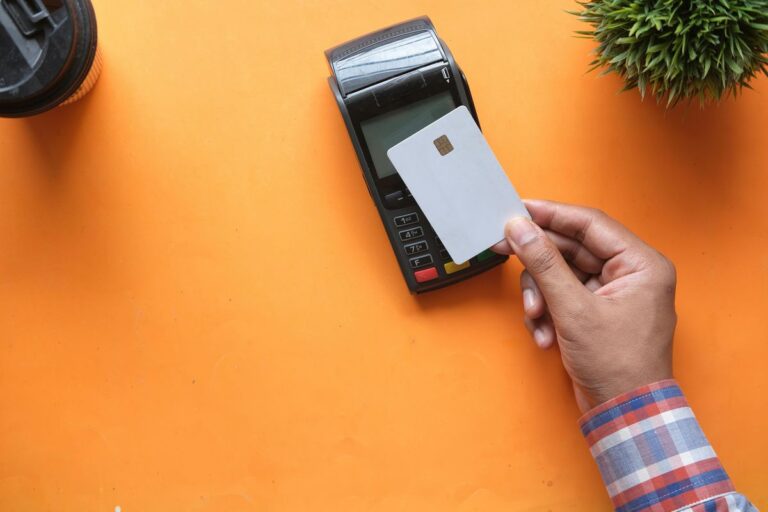
Getting your first credit card feels like a bigger decision than it actually is. People overthink the choice, comparing dozens of cards and reading every review, when the reality is that your first card mostly needs to do one thing: help you build credit without costing you money. Everything else is secondary.
Why your first card matters (and doesn’t)
Your first credit card establishes your credit history. The day you open that account, the clock starts ticking on the length of your credit history, which accounts for about 15% of your FICO score. Ten years from now, that first card will still be your oldest account, and that longevity helps your score.
What doesn’t matter much is which specific card you choose. The difference between a starter card with 1% cash back and one with 1.5% is negligible when you’re spending $500 a month. Over a year, that’s a $30 difference. Your habits matter infinitely more than the card’s features at this stage.
Student cards vs. secured cards vs. store cards
If you’re in college, student credit cards are usually your easiest path. Issuers expect students to have thin credit files, so approval requirements are lower. These cards typically have modest credit limits ($500 to $1,500) and basic rewards. Some offer perks like good grade bonuses or statement credits for streaming services.
If you’re not a student or you’ve been denied for unsecured cards, a secured card is your fallback. You put down a deposit equal to your credit limit. It works exactly like a regular credit card in every other way, and it reports to the same credit bureaus. After 6 to 12 months of good behavior, many issuers will upgrade you to an unsecured card and return your deposit.
Store credit cards (think Target RedCard, Amazon Store Card) are the easiest to get approved for, but they come with drawbacks. High interest rates, low limits, and usability only at that retailer. They’re fine as a credit building tool if used carefully, but a general purpose card gives you more flexibility.
What actually matters in a first card
No annual fee. This is non negotiable for a first card. You shouldn’t pay money to build credit when free options exist. Any card with an annual fee at this stage is taking advantage of your inexperience.
Reports to all three bureaus. Equifax, Experian, and TransUnion all maintain separate credit files. If your card only reports to one, your credit building is incomplete. Most major issuers report to all three, but double check before applying, especially with smaller banks or credit unions.
Reasonable APR. You should always pay your balance in full, so the APR theoretically shouldn’t matter. But life happens, and if you ever do carry a balance, the difference between 18% and 28% APR is substantial. Look for cards in the lower range of rates for your credit tier.
Online and mobile access. You need to be able to check your balance, review transactions, and make payments easily. Every major issuer has a decent app now, but some are markedly better than others. Read a few reviews about the app experience before applying.
How to apply without hurting your credit
Every credit card application triggers a hard inquiry on your credit report. Each inquiry can lower your score by 5 to 10 points temporarily. If you apply for five cards in a week, that’s potentially 50 points gone before you even get approved for anything.
The smarter approach is to research first and apply for one card. Many issuers offer pre qualification tools that do a soft pull (no score impact) to estimate your approval odds. Use those. If a pre qualification tool says you’re likely approved, your chances are good. If you get denied, wait at least three to six months before trying again. Your score needs time to recover from the inquiry, and you’ll want to figure out why you were denied.
By law, issuers must tell you why you were denied. The letter (called an adverse action notice) will list the specific reasons. Common ones include “insufficient credit history” and “too few accounts.” These aren’t character judgments. They’re just data points that will improve with time.
Building credit with your first card
Once you have the card, use it for one or two small regular purchases each month. Gas, groceries, a subscription. Keep your usage under 30% of your limit, ideally under 10%. Pay the full balance by the due date every single month.
Set up autopay for at least the minimum payment as a safety net. You never want a late payment on your record. One 30-day late payment can drop your score by 80 to 100 points and stays on your report for seven years.
Don’t use the card for everything right away. The temptation to swipe for every purchase is real when the card is new and shiny. Stick to planned purchases you’d make anyway and can pay off immediately. Building credit isn’t about spending more. It’s about demonstrating consistent, responsible borrowing.
When to get your second card
After about a year of responsible use, you’ll likely qualify for better cards. Your score should be climbing, your first card’s history adds credibility, and issuers have data showing you’re reliable. This is when you can start looking at cards with real rewards, higher limits, and better perks.
Don’t rush it though. A year of patience with a basic card sets you up for much better options than jumping into a mediocre card after three months because you’re bored with the first one.
Your first credit card is a stepping stone. Pick something free, simple, and easy to manage. The exciting cards come later, once you’ve proven you can handle the boring ones.