

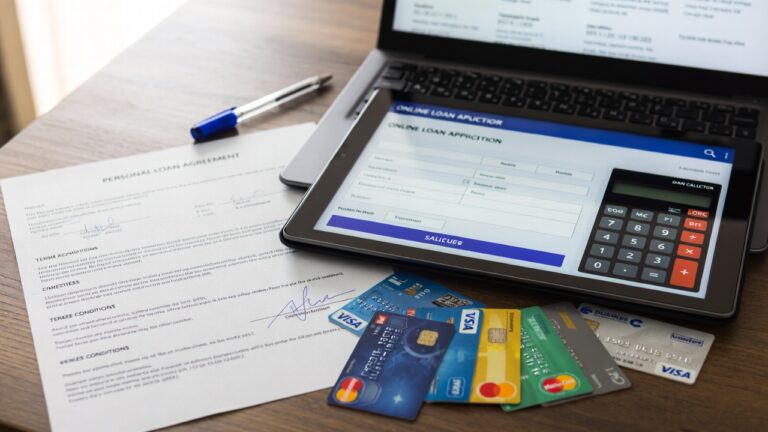
If you are juggling several credit card bills, personal loans, and medical debts, you already know the exhaustion of tracking multiple due dates and watching interest pile up.
By clicking, you will remain on the same site.
Debt consolidation promises relief by rolling everything into one payment. But does it really help, or is it just moving money around? Let us learn how debt consolidation actually works so you can decide if it fits your situation.
The Core Idea
Debt consolidation combines several debts into a single new loan, ideally with a lower interest rate. Instead of five payments at different rates, you make one monthly payment. The goal is simple: pay less in interest, simplify your life, and get out of debt faster.
The Main Consolidation Methods
There is no single tool. The right one depends on your credit and how much you owe:
- Personal consolidation loan: A fixed-rate loan from a bank, credit union, or online lender that pays off your debts, leaving you one installment.
- Balance transfer credit card: A card with a 0 percent introductory APR for 12 to 21 months, ideal for smaller balances you can clear quickly.
- Home equity loan or HELOC: Uses your home as collateral for a low rate, but puts your house at risk if you fall behind.
When Consolidation Makes Sense
This strategy shines when your new interest rate is meaningfully lower than the average of your current debts. If you are paying 22 percent APR on credit cards and qualify for a 11 percent personal loan, the math works strongly in your favor. It also helps if multiple due dates cause you to miss payments, since one payment is far easier to manage.
When It Backfires
Consolidation is not magic. It fails when you run up the paid-off cards again, doubling your debt. It also costs more if you stretch a low monthly payment over many extra years, because a longer term can mean more total interest even at a lower rate. And origination fees or balance transfer fees can eat into your savings, so always read the fine print.
How to Do It Right
Start by listing every debt with its balance and APR. Add them up and find your blended rate. Then shop for a consolidation option that beats it. Get pre-qualified with a soft credit check first, which shows your rate without hurting your score. Once you consolidate, close or freeze the old accounts so you are not tempted to reuse them.
The Credit Score Effect
In the short term, applying triggers a small dip from the hard inquiry. But over time, consolidation often raises your score, because it lowers your credit utilization and helps you make consistent on-time payments. Payment history and utilization are the two biggest scoring factors, and consolidation improves both when used wisely.
Final Thoughts
Debt consolidation is a powerful tool, not a cure. It works when it lowers your rate and you commit to not creating new debt. Run the numbers, choose the method that matches your credit, and treat it as the first step of a real payoff plan. Handled with discipline, one smart loan can replace years of financial stress with a clear road out.